
KENTON COUNTY
General Contractor in Taylor Mill, Kentucky
Taylor Mill, Kentucky
For homeowners in Taylor Mill, a general contracting project starts with a clear definition of what should work better when the job is finished. In general contracting planning, phasing can control cash flow or disruption, but only when the first phase does not create expensive demolition for the second; infrastructure and finish boundaries should anticipate the later work. For this general contracting project, the practical goal is to separate the project into logical stages and identify anything that should be roughed in, reinforced, or reserved during the earlier phase. One useful emphasis is phasing; the site visit still has to confirm what applies to the individual home in Taylor Mill.
Three questions are worth settling early: Sequence trades around dependencies; Make selections before they control the schedule; and Leave the house easier to service—each one can affect sequence, cost, or long-term usability.
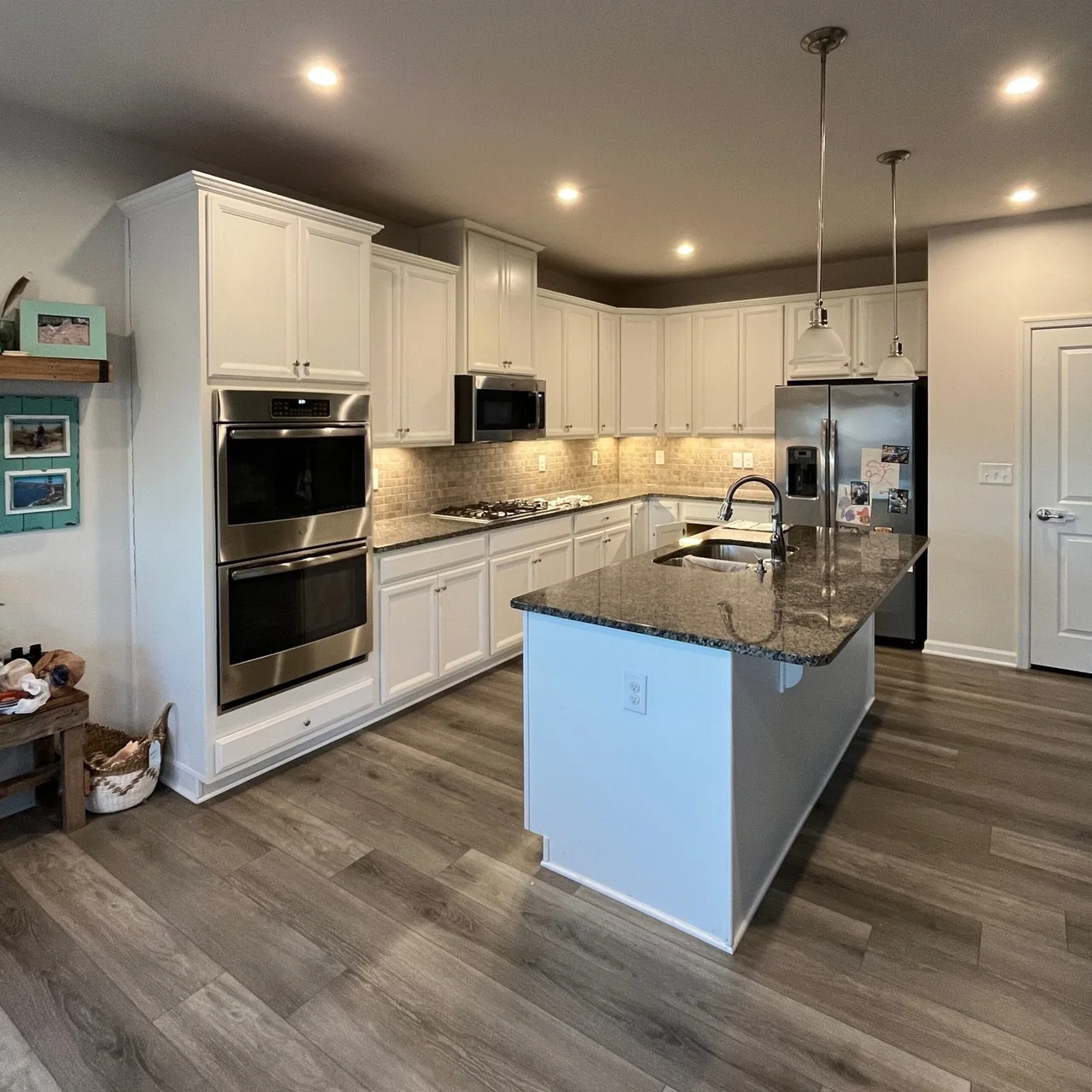
PLANNING PRIORITY
Sequence trades around dependencies
Trade order matters because one crew often creates or closes access for another. Framing, plumbing, electrical, HVAC, inspections where applicable, drywall, flooring, cabinetry, and finish work should be arranged around dependencies rather than treated as independent appointments. For the Taylor Mill general contracting scope, settle this early enough to make deliberate choices about phasing.
Explore General ContractorSCOPE DECISION
Make selections before they control the schedule
Some finish decisions affect dimensions or have long lead times. Cabinets, windows, doors, fixtures, tile, specialty hardware, and equipment should be identified early enough that rough work is not based on guesses and crews are not waiting on information that could have been settled sooner. For the Taylor Mill general contracting scope, this choice should support the household's priorities while accounting for phasing.
- Confirm protection of occupied areas before ordering or rough work depends on it.
- Compare trade sequencing and inspection points with daily use and the adjacent work it may affect.
- Review allowances versus fixed selections while the relevant area is still accessible.
- Decide how change decisions will be documented with maintenance and future changes in mind.
LONG-TERM USE
Leave the house easier to service
A finished project should not bury shutoffs, cleanouts, junctions, filters, panels, or equipment that someone will need later. Access, labeling, documentation, and sensible finish transitions help the next repair happen without undoing good remodeling work. That issue also matters when the goal is to separate the project into logical stages and identify anything that should be roughed in, reinforced, or reserved during the earlier phase; it gives the homeowner a better way to compare options by function and consequence instead of appearance alone.
Before the site visit, photograph electrical, plumbing, HVAC, or structural systems touched by the scope and conditions that may affect demolition, and make a note of spaces that must stay usable during construction. For the general contracting discussion, write down what must be completed now, what may wait, and the longest gap you expect between phases. That preparation gives Ashes to Artisan a useful starting point for the Taylor Mill general contracting conversation and keeps the discussion about phasing tied to what is actually visible at the property.
SERVING TAYLOR MILL
Talk through your Taylor Mill general contracting project
If a general contracting project in Taylor Mill, Kentucky is on your list, Ashes to Artisan can review the goals, the visible conditions, and the decisions that will shape the scope. The next useful step is an on-site general contracting review that checks the decisions related to phasing against actual conditions.