
KENTON COUNTY
General Contractor in Park Hills, Kentucky
Park Hills, Kentucky
The first useful question for a general contracting project in Park Hills is not what to buy, but what needs to change about the way the project area works. In general contracting planning, the most important decisions often occur where one part of the project affects another; structure, utilities, equipment, finishes, clearances, and access can compete for the same space or depend on the same sequence. For this general contracting project, the practical goal is to map the dependencies between the work being kept, the work being changed, and the trades or finishes that depend on each decision. One useful emphasis is system coordination; the site visit still has to confirm what applies to the individual home in Park Hills.
Three questions are worth settling early: Treat permits and inspections as scheduling inputs; Sequence trades around dependencies; and Plan deliveries and material staging—each one can affect sequence, cost, or long-term usability.
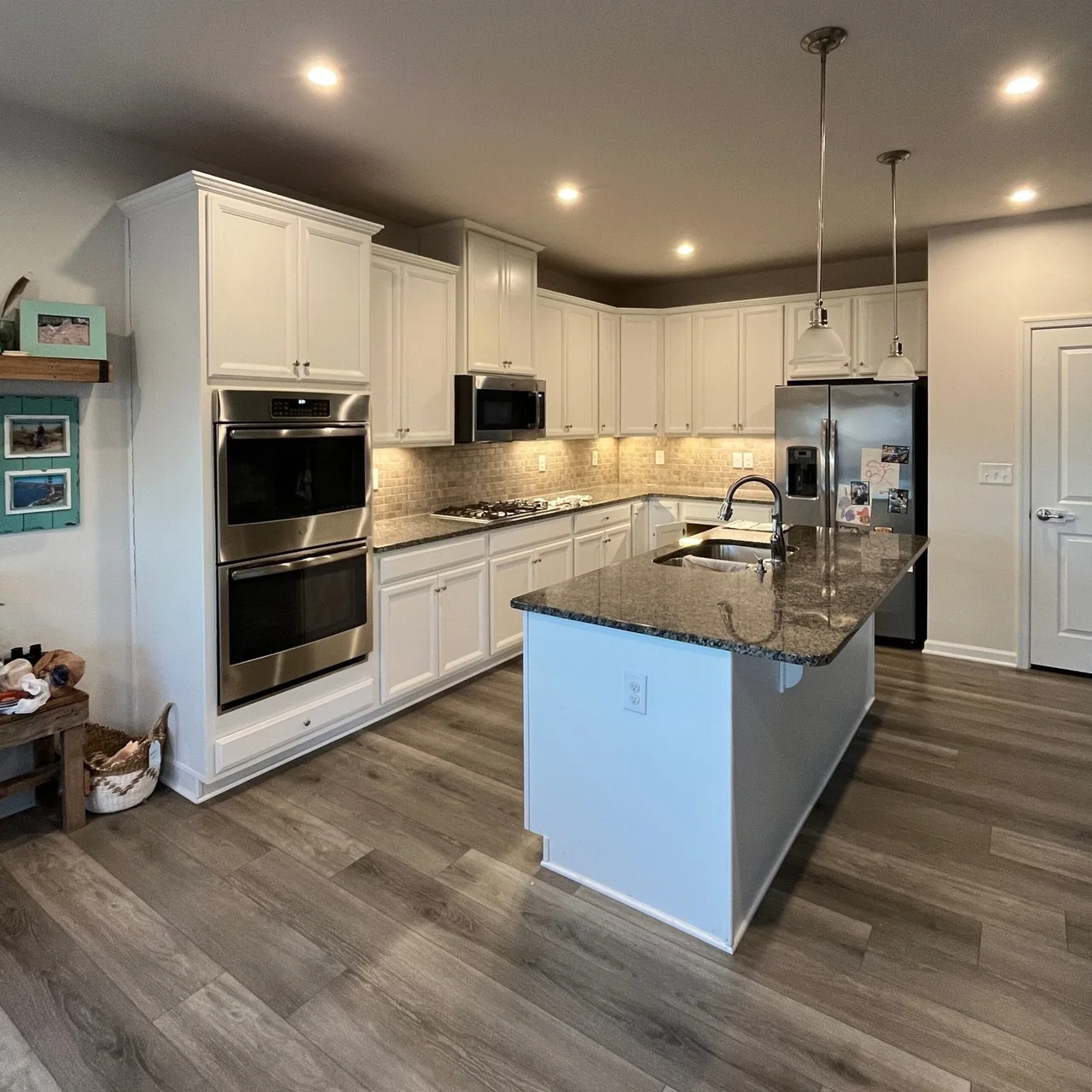
PLANNING PRIORITY
Treat permits and inspections as scheduling inputs
When permits or inspections apply, they belong in the schedule rather than as an afterthought. The exact requirements should be confirmed for the property and scope, and work should be sequenced so required reviews can happen before finishes close the relevant areas. In the Park Hills general contracting plan, treat this as an early decision because it can affect system coordination elsewhere in the project.
Explore General ContractorSCOPE DECISION
Sequence trades around dependencies
Trade order matters because one crew often creates or closes access for another. Framing, plumbing, electrical, HVAC, inspections where applicable, drywall, flooring, cabinetry, and finish work should be arranged around dependencies rather than treated as independent appointments. Treat this as a coordination decision within the Park Hills general contracting scope, especially where it intersects with system coordination.
- Put lead-time items on the early-decision list rather than leaving it for the field.
- Confirm protection of occupied areas before ordering or rough work depends on it.
- Compare trade sequencing and inspection points with daily use and the adjacent work it may affect.
- Review allowances versus fixed selections while the relevant area is still accessible.
LONG-TERM USE
Plan deliveries and material staging
Large materials need a path from the truck to the work area and a place to stay without blocking the household or damaging finishes. Delivery timing, parking, stairs, gates, weather exposure, debris containers, and secure storage can all influence the pace of the job. That issue also matters when the goal is to map the dependencies between the work being kept, the work being changed, and the trades or finishes that depend on each decision; it gives the homeowner a better way to compare options by function and consequence instead of appearance alone.
Before the site visit, photograph items the homeowner plans to keep, move, or replace and areas where new work meets existing finishes, and make a note of access for materials and debris removal. For the general contracting discussion, list the existing components, utilities, equipment, and finishes that the project may touch, even indirectly. That preparation gives Ashes to Artisan a useful starting point for the Park Hills general contracting conversation and keeps the discussion about system coordination tied to what is actually visible at the property.
SERVING PARK HILLS
Talk through your Park Hills general contracting project
Planning a general contracting project in Park Hills, Kentucky can begin with a practical conversation about goals, visible conditions, and the decisions that affect cost or sequence. A site visit can then test the general contracting priorities against the property while keeping system coordination in view.